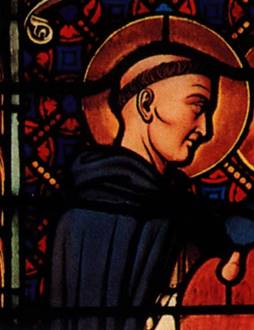
Bienheureux André Abellon, vitrail de l'église Notre Dame du Rosaire de Marseille
Bienheureux André Abellon
Frère
prêcheur (+ 1450)
Orateur-réformateur
dominicain du monastère Sainte-Marie-Madeleine de Saint Maximin et peintre de
talent, il restaura la discipline régulière dans les couvents où il fut envoyé,
montrant de la générosité pour les autres et de l’austérité pour lui-même.
Vénéré à Aix-en-Provence.
"A Aix, le
Bienheureux André Abellon vient prêcher en 1415, durant la peste qui ravage le
pays." (site internet du diocèse
d'Aix et Arles)
Le bienheureux André
Abellon est né à Saint-Maximin vers 1375. Prêtre de l’Ordre de Saint Dominique,
il fut un ardent et infatigable prédicateur dans toute la Provence.
Maître en théologie, il
enseigna ses frères dans de nombreuses maisons de son ordre et travailla
activement à la réforme de la vie dominicaine, avant de devenir prieur du
couvent royal de Saint-Maximin. Très attaché à tout ce qui touche la splendeur
du culte, il fut l’émule du bienheureux Fra Angelico par son art de peindre.
C’est à Aix-en-Provence
où il s’était magnifiquement dévoué lors de la peste en 1415 qu’il mourut le 15
mai 1450. (Histoire
des saints de Provence - diocèse de Fréjus-Toulon)
Béatifié en 1902.
À Aix-en-Provence, en
1450, le bienheureux André Abellon, prêtre de l’Ordre des Prêcheurs, qui
restaura la discipline régulière dans les couvents où il fut envoyé et où il
montra de la générosité pour les autres et de l’austérité pour lui-même.
Martyrologe romain
SOURCE : http://nominis.cef.fr/contenus/saint/1158/Bienheureux-Andre-Abellon.html
Bienheureux André
Abellon, prêtre
Le Bienheureux André
Abellon est né à Saint-Maximin vers 1375. Ayant, jeune, entendu prêcher saint
Vincent Ferrier, il entra au couvent des Frères prêcheurs de sa ville natale.
Il fut un ardent et infatigable prédicateur dans toute la Provence. Maître en
théologie, il enseigna ses frères dans de nombreuses maisons de son Ordre,
notamment à Montpellier, Paris et Avignon. Il travailla activement à la réforme
de la vie dominicaine, restaurant la discipline dans les couvents d’Arles,
d’Aix et de Marseille, avant de devenir prieur du couvent royal de
Saint-Maximin. Il obtenait « plus par sa bonté et par l’exemple de sa
vertu que par des dispositions impatientes ». Très attaché à tout ce qui
touche la splendeur du culte, il fut l’émule du Bienheureux Fra Angelico par
son art de peindre et se servit de l’attrait du beau pour élever les cœurs à
l’amour des choses célestes (il devint célèbre comme illustrateur de livres). A
Aix, il se dévoua magnifiquement auprès des malades lors de la peste de 1415.
C’est là qu’il mourut le 15 mai 1450. Il fut béatifié par Léon XIII en 1902.
Le bienheureux André
Abellon
Le bienheureux André
Abellon est né à Saint-Maximin vers 1375. Prêtre de l’Ordre de Saint Dominique,
il fut un ardent et infatigable prédicateur dans toute la Provence.
Maître en théologie, il
enseigna ses frères dans de nombreuses maisons de son ordre et travailla
activement à la réforme de la vie dominicaine, avant de devenir prieur du
couvent royal de Saint-Maximin. Très attaché à tout ce qui touche la splendeur
du culte, il fut l’émule du bienheureux Fra Angelico par son art de peindre.
C’est à Aix-en-Provence
où il s’était magnifiquement dévoué lors de la peste en 1415 qu’il mourut le 15
mai 1450.
SOURCE : http://www.diocese-frejus-toulon.com/bienheureux-Andre-Abellon-Saint.html
Bx André Abellon
Prêtre dominicain
(*Saint-Maximin 1375 - † Aix-en-Provence 1450)
André Abellon entendit
prêcher St
Vincent Ferrier (1350-1419) et entra très jeune au couvent
Sainte-Marie-Madeleine de Saint-Maximin, où il devint prieur et qu’il réforma.
Il restaura la discipline
régulière dans les couvents d’Arles, Aix et Marseille, montrant de la
générosité pour les autres et de l’austérité pour lui-même. L’impulsion donnée
au mouvement de réforme de Raymond de Capoue, qui parut ralentir avec sa mort,
reprit de plus belle sous l’énergique gouvernement du Maître général Bartolomeo
Texier.
André étudia la peinture (il devint célèbre comme illustrateur de livres), et
comme tant de ses confrères, se servit de l’attrait du beau pour élever le cœur
des fidèles à l’amour des choses célestes. Il enseigna la théologie à
Montpellier, Paris et Avignon. Mais il était surtout prédicateur. Il est vénéré
à Aix-en-Provence, où il vint prêcher en 1415, durant la peste qui ravageait le
pays, et il soigna très activement les malades. Dans les couvents où il
agissait, il obtenait « plus par sa bonté et par l’exemple de sa vertu que
par des dispositions impatientes ». La prière du jour de sa fête dit qu’il
fut choisi par Dieu « pour prêcher l’évangile de la paix et favoriser la
vie régulière de l’Ordre. »
André Abellon a été béatifié en 1902 par Léon XIII (Vincenzo Gioacchino
Pecci, 1878-1903).
Source principale : docteurangelique.forumactif.com/(« Rév. x gpm »).
©Evangelizo.org 2001-2015

Bienheureux
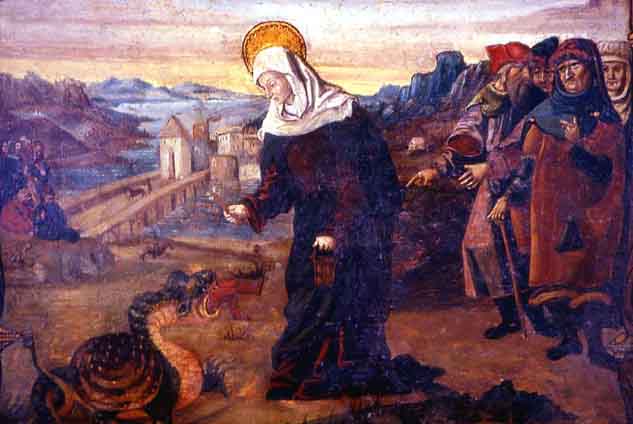
André Abellon. Sainte Martha et le dragon (Tarasque), circa 1430, Chapelle de Saint Elegius (Saint
Eloi), Basilica de Sainte. Marie Magdaleine église de
Saint-Maximin-la-Sainte-Baume (Var, France)
Abellon's
painting of Saint Martha and the dragon, or Tarasque (c.
1430). Painted on the of the Chapel of St. Elegius (Saint Eloi) at the
Basilica of St. Marie Magdaleine church at Saint-Maximin-la-Sainte-Baume (Var,
France)
Also
known as
André
Profile
In his youth he got to
listen to the preaching of Saint Vincent
Ferrer. Joined the Dominicans at
Saint Maximin monastery. Priest. Prior of
Saint Mary Magdalen monastery,
Provence, France,
a noted pilgrimage site;
tradition says it is one of the places where Saint Mary
Magdalen went after the Crucifixion,
and the monastery laid
claim to her relics.
Supported missionaries and preached home
missions. Noted artist in
his day, especially known for his manuscript illuminations.
Born
1375 at
Saint Maximin, Provence, France
15 May 1450 at
Aix-en-Provence, France of
natural causes
buried in
the Church of the Magdalen
his tomb became known as
a site of miraculous cures
19 August 1902 by Pope Leo XIII (cultus
confirmed)
artist‘s
tools such as brushes or palatte
Additional
Information
Saints
and Saintly Dominicans, by Blessed Hyacinthe-Marie
Cormier, O.P.
Saints
of the Day, by Katherine Rabenstein
books
Dictionary of Saints, by John Delaney
Our Sunday Visitor’s Encyclopedia of Saints
other
sites in english
images
sitios
en español
Martirologio Romano, 2001 edición
sites
en français
fonti
in italiano
God of
all truth, you chose Blessed Andrew to preach the gospel of peace and to
promote the regular life. By the help of his prayers may we devote ourselves to
proclaiming the faith and bearing the yoke of Christ with fidelity. We ask this
through our Lord Jesus Christ, your Son, who lives and reigns with you and
the Holy
Spirit, one God, for ever and ever. – General Calendar of the Order of
Preachers
MLA
Citation
‘Blessed Andrew Abellon‘. CatholicSaints.Info.
17 May 2024. Web. 17 April 2026.
<http://catholicsaints.info/blessed-andrew-abellon/>
SOURCE : http://catholicsaints.info/blessed-andrew-abellon/
Blessed Andrew Abellon,
OP (AC)
Born at Saint Maximin,
France, in 1375; died at Aix-en-Provence on May 15, 1450; cultus confirmed in
1902. Blessed Andrew was born near the world-famous shrine of Mary Magdalen.
His entire life was centered around the shrine, and it is greatly due to his efforts
that devotion to the great penitential has become so well established.
As a young man, Andrew
may have heard the stirring sermons of Saint Vincent Ferrer, who was at that
time preaching in France. Perhaps the purity and penitential zeal for which
this great preacher was renowned gave the young Andrew the pattern for his own
life. He soon demonstrated his choice of purity and penance by joining the
Dominicans in his home town. After a happy and holy novitiate, he made his
profession and was ordained. In a few years, a preacher and a guide for souls,
he turned his attention to the neglected shrine of Saint Mary Magdalen.
This rugged and
penitential region of France had been honored from the time of the Apostles as
the chosen retreat for Mary Magdalen, who did penance there for the sins of her
youth. From earliest days, it had been a place of pilgrimage, but had no
definite arrangements for the care of pilgrims, nor any way of supplying their
spiritual needs. In Blessed Andrew's time, Dominican fathers from Saint-Maximin
had taken over the spiritual care of the pilgrims as a mission work, but
without financial help, and in the face of great trials.
Seeing the need of a
permanent foundation at the shrine, Andrew set about creating one. He
interested the queen in his project, and obtained enough money from her to
build a monastery, which was a gem of architecture as well as a source of
spiritual power. Andrew had studied art before his entry into the order, and he
used his talents in building, beautifully and permanently, whatever he was
called upon to do.
A lover of great beauty
in the physical order, Andrew was the same in the spiritual. He was famous as a
confessor, and his wise government as prior gave help to the spiritual growth
of the new convent. A practical man as well as deeply spiritual, Andrew
established two mills near the shrine that would provide the people with a
means of earning a living while remaining there. Quite naturally, a priest who
interested himself in the welfare of the people to this extent could hope for
great influence with them, and this he had, both at Saint Maximin and at Aix,
where an altarpiece he painted may still be seen.
After his death, Blessed
Andrew was buried in the Church of the Magdalen. His tomb soon became a place
of pilgrimage; his help especially was sought in the cure of fevers (Benedictines,
Dominicans, Dorcy).
SOURCE : http://www.saintpatrickdc.org/ss/0515.shtml

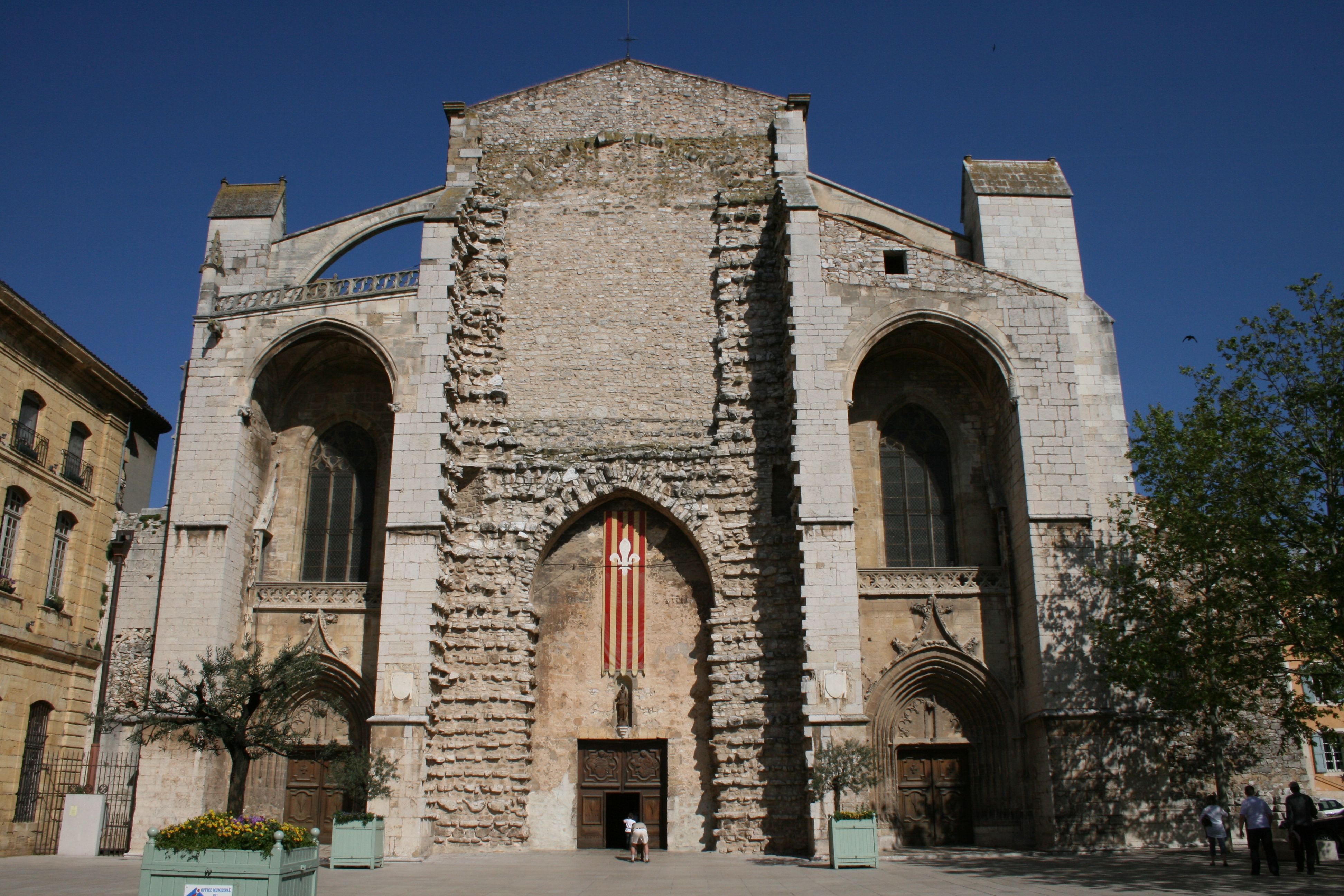
La basilique Sainte-Marie-Madeleine de Saint-Maximin-la-Sainte-Baume, achevée
en 1532
ANDREW ABELLON, BL.
Dominican teacher,
reformer, and artist; b. Saint-Maximin-la-Saint-Baume, France, c. 1375;
d. Aix, France, May 15, 1450. He joined the dominican order in his native
village and taught philosophy and theology in various Dominican priories until
1408, when he became master of theology. From 1408 to 1419 he devoted himself
exclusively to preaching in southern France, but found time to minister to the
victims of the plague that broke out at Aix in 1415. While prior of
saint-maximin (1419–22 and 1425–29), he restored observance in that house and
completed and embellished its buildings. As vicar of observance appointed by
Master General Bartholomew Texier (d. 1449), Abellon introduced reform in the
priories of Aix, where he was prior from 1438 to 1442, and Marseilles, where he
was prior from 1444 to 1448. An artist, he used his talents to teach the
eternal truths by paintings. He was beatified in 1902.
Feast: May 17.
Bibliography: H. M.
Cormier, Le Bienheureux André Abellon (2d ed. Rome 1902). D. A. Mortier, Histoire des maîtres généraux de l'ordre des Frères Prêcheurs, 8
v. (Paris 1903–20) 4:145, 193–210. G. Gieraths, Lexikon für Theologie und
Kirche, ed. J. Hofer and K. Rahner, 10 v. (2d, new ed. Freiburg 1957–65)
1:513.
[A. H. Camacho]
New Catholic Encyclopedia
SOURCE : https://www.encyclopedia.com/religion/encyclopedias-almanacs-transcripts-and-maps/andrew-abellon-bl
Saints and
Saintly Dominicans – 17 May
Blessed Andrew
Abellon, Confessor, O.P.
Blessed Andrew was born
at Saint Maximin, where he entered among the Friars Preachers and they,
appreciating his virtues, chose him as prior. The building of the beautiful
cloister, still standing in spite of revolutions, is due to his care. But what
is still better he promoted the reestablishment of religious observance, here
and in other convents of the South under the direction of Blessed Bartholomew
Texier, General of the Order and Provencial like himself. The Sainte Baume
obtained by his efforts and through the reputation of his sanctity, certain
privileges from the Queen Yolande. The convent of the Dominicans at Marseilles
had also the benefit of his presence and example. But he was above all the
beloved apostle of the town of Aix, where his death caused general mourning.
From that time his remains, honored with a place in the sanctuary of the Church
of the Magdalen on the Gospel side, became the object of public veneration,
which was increased by numerous miracles and an altar was erected there in his
honor. Blessed Andrew is invoked against fevers which have often been cured by
the dust from his tomb. This holy religious loved the fine arts and when worn
out by the labors of the apostolate, he consoled himself in his trials by
painting the altars,
a work which endears his memory to Christian artists. (1450)
Prayer
Blessed Abellon, obtain a
blessing for Provence, where you did so much good, and especially for pilgrims
to the Sainte Baume.
Practice
Employ your spare time
and your means willingly in the advancement of churches, especially the holy
altars.
– taken from the
book Saints
and Saintly Dominicans, by Blessed Hyacinthe-Marie
Cormier, O.P.
SOURCE : https://catholicsaints.info/saints-and-saintly-dominicans-17-may/
Blessed Andrew Abellon,
C.O.P.
Memorial Day: May 17th
Blessed Andrew was born
near the world-famous shrine of Mary Magdalen. His entire life was centered
around the shrine, and it is greatly due to his efforts that devotion to the
great penitential has become so well established.
As a young man, Andrew
may have heard the stirring sermons of Saint Vincent Ferrer, who was at that
time preaching in France. Perhaps the purity and penitential zeal for which
this great preacher was renowned gave the young Andrew the pattern for his own
life. He soon demonstrated his choice of purity and penance by joining the
Dominicans in his home town. After a happy and holy novitiate, he made his
profession and was ordained. In a few years, a preacher and a guide for souls,
he turned his attention to the neglected shrine of Saint Mary Magdalen.
This rugged and
penitential region of France had been honored from the time of the Apostles as
the chosen retreat for Mary Magdalen, who did penance there for the sins of her
youth. From earliest days, it had been a place of pilgrimage, but had no
definite arrangements for the care of pilgrims, nor any way of supplying their
spiritual needs. In Blessed Andrew's time, Dominican fathers from Saint-Maximin
had taken over the spiritual care of the pilgrims as a mission work, but without
financial help, and in the face of great trials.
Seeing the need of a
permanent foundation at the shrine, Andrew set about creating one. He
interested the queen in his project, and obtained enough money from her to
build a monastery, which was a gem of architecture as well as a source of
spiritual power. Andrew had studied art before his entry into the order, and he
used his talents in building, beautifully and permanently, whatever he was
called upon to do.
A lover of great beauty
in the physical order, Andrew was the same in the spiritual. He was famous as a
confessor, and his wise government as prior gave help to the spiritual growth
of the new convent. A practical man as well as deeply spiritual, Andrew
established two mills near the shrine that would provide the people with a
means of earning a living while remaining there. Quite naturally, a priest who
interested himself in the welfare of the people to this extent could hope for
great influence with them, and this he had, both at Saint Maximin and at Aix,
where an altarpiece he painted may still be seen.
After his death, Blessed
Andrew was buried in the Church of the Magdalen. His tomb soon became a place
of pilgrimage; his help especially was sought in the cure of fevers (Benedictines,
Dominicans, Dorcy).
Born: 1375 at Saint
Maximin, Provence, France
Died: May 15, 1450
at Aix-en-Provence, France of natural causes; buried in the Church of the
Magdalen; his tomb became known as a site of miraculous cures.
Beatified:1902 (cultus
confirmed) by Pope Leo XIII
Patronage: against
fever
Prayers/Commemorations
First Vespers:
Ant. Strengthen by holy
intercession, O Andrew, confessor of the Lord, those here present, have we who
are burdened with the weight of our offenses may be relieved by the glory of
thy blessedness, and may by thy guidance attain eternal rewards.
V. Pray for us, Blessed
Andrew.
R. That we may be made
worthy of the promises of Christ.
Lauds:
Ant. Well done, good and
faithful servant, because Thou hast been faithful in a few things, I will set
thee over many, sayeth the Lord.
V. The just man shall
blossom like the lily.
R. And shall flourish
forever before the Lord.
Second Vespers:
Ant. I will liken him
unto a wise man, who built his house upon a rock..
V. Pray for us. Blessed
Andrew.
R. That we may be made
worthy of the promises of Christ.
Prayer:
Let us Pray: O God,
who didst enable Blessed Andrew, Thy Confessor, to preach the gospel of peace
by word and deed, make us, we beseech Thee through his intercession, to receive
Thy law with a perfect heart and fulfill it by holy deeds. Through Christ our
Lord. Amen.
Pascal Times
First Vespers:
Ant. Come, O
daughters of Jerusalem, and behold a Martyr with a crown wherewith the Lord
crowned him on the day of solemnity and rejoicing, alleluia, alleluia
V. Pray for us, Blessed
Andrew alleluia
R. That we may be made
worthy of the promises of Christ, alleluia.
Lauds:
Ant. Perpetual light will
shine upon Thy Saints, O Lord, alleluia, and an eternity of ages, alleluia,
alleluia, alleluia
V. The just man shall
blossom like the lily, alleluia.
R. And shall flourish
forever before the Lord, alleluia
Second Vespers:
Ant. In the city of the
Lord the music of the Saints incessantly resounds: there the angels and
archangels sing a canticle before the throne of God, alleluia.
V. Pray for us, Blessed
Andrew, alleluia
R. That we may be made
worthy of the promises of Christ. alleluia
Prayer:
Let us Pray: O God,
who didst enable Blessed Andrew, Thy Confessor, to preach the gospel of peace
by word and deed, make us, we beseech Thee through his intercession, to receive
Thy law with a perfect heart and fulfill it by holy deeds. Through Christ our
Lord. Amen.
Prayer
God of all truth, you
chose Blessed Andrew to preach the gospel of peace and to promote the regular
life. By the help of his prayers may we devote ourselves to proclaiming the
faith and bearing the yoke of Christ with fidelity. We ask this through our
Lord Jesus Christ, your Son, who lives and reigns with you and the Holy Ghost,
one God, for ever and ever. - General Calendar of the Order of Preachers
SOURCE : http://www.willingshepherds.org/Dominican%20Saints%20May.html#Andrew Abellon
Blessed Andrew
Abellon, C.O.P.
Memorial Day: May 17th
Blessed Andrew was born
near the world-famous shrine of Mary Magdalen. His entire life was centered
around the shrine, and it is greatly due to his efforts that devotion to the
great penitential has become so well established.
As a young man, Andrew may have heard the stirring sermons of Saint Vincent
Ferrer, who was at that time preaching in France. Perhaps the purity and
penitential zeal for which this great preacher was renowned gave the young
Andrew the pattern for his own life. He soon demonstrated his choice of purity
and penance by joining the Dominicans in his home town. After a happy and holy
novitiate, he made his profession and was ordained. In a few years, a preacher
and a guide for souls, he turned his attention to the neglected shrine of Saint
Mary Magdalen.
This rugged and penitential region of France had been honored from the time of
the Apostles as the chosen retreat for Mary Magdalen, who did penance there for
the sins of her youth. From earliest days, it had been a place of pilgrimage,
but had no definite arrangements for the care of pilgrims, nor any way of
supplying their spiritual needs. In Blessed Andrew’s time, Dominican fathers
from Saint-Maximin had taken over the spiritual care of the pilgrims as a
mission work, but without financial help, and in the face of great trials.
Seeing the need of a permanent foundation at the shrine, Andrew set about
creating one. He interested the queen in his project, and obtained enough money
from her to build a monastery, which was a gem of architecture as well as a
source of spiritual power. Andrew had studied art before his entry into the
order, and he used his talents in building, beautifully and permanently,
whatever he was called upon to do.
A lover of great beauty in the physical order, Andrew was the same in the
spiritual. He was famous as a confessor, and his wise government as prior gave
help to the spiritual growth of the new convent. A practical man as well as
deeply spiritual, Andrew established two mills near the shrine that would provide
the people with a means of earning a living while remaining there. Quite
naturally, a priest who interested himself in the welfare of the people to this
extent could hope for great influence with them, and this he had, both at Saint
Maximin and at Aix, where an altarpiece he painted may still be seen.
After his death, Blessed Andrew was buried in the Church of the Magdalen. His
tomb soon became a place of pilgrimage; his help especially was sought in the
cure of fevers.
Born: 1375 at Saint Maximin, Provence, France
Died: May 15, 1450 at Aix-en-Provence, France of natural causes; buried in
the Church of the Magdalen; his tomb became known as a site of miraculous
cures.
Beatified:1902 (cultus confirmed) by Pope Leo XIII
Patronage: against fever
SOURCE : http://orderofpreachersindependent.org/2012/05/17/blessed-andrew-abellon-c-o-p/
Blessed Andrew Abellon
15 MAY 2010. In addition
to Blessed Giles, today we also celebrate the feast day (optional memorial)
of Blessed Andrew Abellon, a friar and priest.
Blessed Andrew was
born in A.D. 1375 at Saint Maximin, France. As a youth, Andrew listened to the
preaching of Saint Vincent Ferrer at the Saitn Maximin monastery.
Blessed Andrew received the Dominican habit at the priory of St. Mary
Magdalene. He was noted for his teaching and his preaching throughout Provence,
and for his zeal in restoring regular observance. In addition, Blessed Andrew
was also a noted artist, especially known for manuscript illustrations, and
contributed to the artistic beauty of many of the Dominican churches of
southern France.
Blessed Andrew died at Aix-en-Provence on 15 May 1450. After his death, Blessed
Andrew's body was buried in the Church of the Magdalen and his tomb soon became
a place of pilgrimage. His intercession was especially sought for the cure of
fever. Blessed Andrew was beatified in A.D. 1902.
SOURCE : http://acta-sanctorum.blogspot.ca/2010/05/blessed-andrew-abellon.html

Bienheureux
André Abellon, Noli me tangere, circa 1430, St. Marie Magdaleine church at
Saint-Maximin-la-Sainte-Baume (Var, France)
Beato Andrea Abellon Sacerdote
domenicano
Festa: 15 maggio
Saint-Maximin-le-Sainte-Baume,
Francia, 1335/75 - Aix-en-Provence, Francia, 15 maggio 1450
Andrea Abellon nacque a
Saint Maxim, in Francia nel 1375. Giovanissimo entrò tra i Domenicani di quella
città, i quali custodivano le reliquie di S. Maria Maddalena. Da vero figlio
del Padre Domenico congiunse la santità alla dottrina e fu predicatore
ascoltatissimo. In questo sacro ministero, tutto proprio dell’Ordine, fu
instancabile, riposandosi solo con la morte. Fu Professore di Teologia a
Montpellier, Parigi e Avignone. Fu anche provetto nell’arte della pittura, e
come tanti altri suoi confratelli, si servì delle attrattive del bello per
innalzare il cuore dei fedeli all’amore delle cose celesti. L’impulso dato al
movimento di riforma dal Beato Raimondo da Capua, e che parve rallentare con la
sua morte, riprese nuovo vigore sotto l’energico governo del Maestro Generale
Bartolomeo Texier. Tra i generosi che lo coadiuvarono e lavorarono seguendo le
sue direttive va annoverato Andrea Abellon che svolse l’opera restauratrice
nella Provincia di Provenza, con risultati consolantissimi. Egli riuscì a
stabilire la riforma nei conventi di Arles, Aix e Marsiglia. Ma, più che con le
parole, egli trascinò con la forza irresistibile dell’esempio. Nonostante le
fatiche del ministero fu fedelissimo ai digiuni e alle altre opere di penitenza
prescritte dalle leggi dell’Ordine, a cui aggiunse molte altre austerità.
Questa eroica mortificazione dette ali al suo spirito per sollevarsi nei cieli
di quella contemplazione che fu la sorgente feconda di ogni sua attività. Morì
ad Aix, il 15 maggio 1450, dove si era recato per confortare gli abitanti
afflitti dalla peste. E’ sepolto nella chiesa conventuale di Saint Maximin,
davanti all’altare maggiore, dove ancor oggi i fedeli non cessano di recarsi a
venerarlo e pregarlo. Papa Leone XIII il 19 agosto 1902 ha confermato il suo
culto.
Martirologio
Romano: Ad Aix-en-Provence in Francia, beato Andrea Abellon, sacerdote
dell’Ordine dei Predicatori, che ripristinò nei conventi l’osservanza della regola,
amministrandoli con pazienza e con un sobrio tenore di vita.
Il domenicano provenzale Andrea Abellon non poteva non amare santa Maria Maddalena. Nacque infatti a Saint-Maximin, attorno al 1375, nel luogo stesso dove, un secolo prima, Carlo II d’Angiò riteneva di aver ritrovato il corpo della Santa e vi aveva perciò iniziato la costruzione di una chiesa e di un convento di ampie dimensioni destinati ai frati predicatori. Allevato sin dalla prima infanzia nella devozione per la santa patrona, Andrea chiese giovanissimo di abbracciare la vita domenicana nel convento che le era dedicato.
Documenti del tempo, tra cui in particolare un breve pontificio che abilitava fra Andrea al magistero in teologia, consentono di ripercorrere il suo rispettabile curriculum di studi e d’insegnamento, nonché i suoi luoghi successivi d’assegnazione. Così, dopo aver studiato a Saint-Maximin e a Tolosa, fu chiamato a insegnare nei conventi di Marsiglia, Avignone e Montpellier, dove, nel 1408, gli fu riconosciuto il titolo di Maestro in Teologia, Magister in Sacra Pagina o in Divinitate, come si diceva allora.
Ben presto, tuttavia, Maestro Andrea dovette abbandonare l’insegnamento per dedicarsi ai compiti di governo che gli furono affidati. Scelto come vicario del priore di Saint-Maximin fin dal 1408, fu in seguito eletto e rieletto priore dello stesso convento rispettivamente negli anni 1419 e 1425.
La carica priorale portò l’Abellon a interessarsi in particolare dei santuari di Saint-Maximin e della Sainte-Baume, posti sotto il patrocinio di santa Maria Maddalena, nonché delle comunità domenicane annesse. Ciò gli diede modo non solo di manifestare le sue ottime capacità di governo, bensì di rilevarsi come un frate legatissimo alla Santa, proclamata patrona dell’ordine dal capitolo generale di Venezia nel 1297.
Occuparsi di questi luoghi abitati dai frati rappresentava per lui un dovere, perché tutto, chiese e conventi, era posto sotto la giurisdizione del priore di Saint-Maximin; ma un dovere dettato dal cuore, poiché lì Andrea era nato, cresciuto ed entrato in convento sotto gli auspici di santa Maria Maddalena. D’altra parte, in perfetta sintonia con il carisma domenicano, egli percepiva bene la complementarietà di questi due santuari dedicati alla santa; l’uno ritirato nella solitudine, l’altro posto ad un crocevia; l’uno più propizio alla preghiera silenziosa, l’altro più capace di accogliere le folle; l’uno che rifletteva l’immagine della Maddalena penitente e contemplativa, l’altro quella dell’apostola e annunciatrice del Vangelo.
Alla Sainte-Baume, la prima cura del priore Abellon fu di aumentare il numero dei religiosi, per meglio rispondere ai bisogni dei pellegrini che vi accorrevano in gran numero. Con molta abilità, trovò il modo di coinvolgere le autorità provenzali e francesi, che non gli fecero mancare gli aiuti necessari al sostentamento dei frati, attraverso legati e pie fondazioni a favore del santuario.
Problemi ben più gravi dovette affrontare a Saint-Maximin, dove chiesa e convento erano ridotti a un cantiere perenne, più volte interrotto e mai portato a compimento. La basilica, dicono le cronache del tempo, offriva un aspetto penoso, con la sua facciata incompiuta, chiusa alla meglio da un’impalcatura di legno che minacciava di cadere e metteva a rischio l’incolumità dei fedeli e dei pellegrini. Il priore si diede da fare, percorrendo la Provenza, in particolare le regioni di Marsiglia e di Tolone, per raccogliere fondi e poter intraprendere così alcuni interventi ritenuti più urgenti, come riparare i tetti e chiudere le vetrate aperte a tutti i venti. Non senza ragione, quindi, il cronista del convento, padre Reboul, diceva di Andrea Abellon che era “un uomo molto abile”, il che non oscurava affatto la sua già diffusa fama di santità, perché faceva ogni cosa con rettitudine ed onestà, per la sola gloria di Dio e di santa Maria Maddalena.
Sempre a Saint-Maximin, Abellon portò a termine la costruzione del chiostro, rimasto anch’esso incompiuto, e l’edificazione del coro dei frati, nella parte già ultimata della basilica. Quest’ultimo era un’opera imponente, con un centinaio di stalli suddivisi, sui due lati, in due ranghi paralleli di venticinque posti, sormontati, nella parte superiore, da altrettanti pannelli recanti figure di santi, domenicani e non. Una tradizione tenace, benché difficilmente verificabile, vuole che Andrea sia stato l’autore di alcune di queste pitture. È più che probabile, visto il suo indiscusso talento, d’altronde confermato da numerose testimonianze del tempo.
Ma l’opera più preziosa compiuta dal Nostro a favore dei luoghi magdaleniani di Saint-Maximin e della Sainte-Baume fu quella di restaurarvi la vita conventuale e le osservanze regolari, allora in pieno decadimento. Le disgrazie del tempo non erano estranee a questo affievolimento di fervore nella vita religiosa, con ripetute epidemie che ridussero considerevolmente il numero dei frati – si parla, nella sola provincia domenicana di Provenza, di oltre cinquecento vittime –, e lo scisma d’Occidente che seminò la divisione e il turbamento nella Chiesa come nella società. Tant’è che non si sapeva neppure quale fosse il papa legittimo e che molti, come san Vincenzo Ferreri e lo stesso beato Andrea Abellon, si ritrovarono, in perfetta buona fede, sotto l’obbedienza dell’antipapa Benedetto XIII. Tutto questo portò a molta indulgenza, per non dire leggerezza, nell’accogliere nuove vocazioni, preoccupati soprattutto di colmare i posti rimasti vuoti, e condusse inevitabilmente a un rilassamento della disciplina nei conventi, compreso quello di Saint-Maximin.
Incoraggiato dal suo antico provinciale, Bartolomeo Texier, diventato intanto maestro dell’ordine, il priore Abellon si adoperò instancabilmente per portare avanti quest’opera riformatrice nelle sue comunità di Saint-Maximin e della Sainte-Baume. Se non esitò ad espellere dal convento i frati ribelli, fu soprattutto mediante la luce del suo esempio, la persuasione della sua parola e la sua paziente misericordia, unite ad una certa abilità nel saper trattare con le persone, che riuscì a raggiungere il suo fine, senza dover ricorrere troppo ad altra forza che a quella della sua indiscussa autorità morale e spirituale. Così, stimolati dell’esempio del loro priore, i frati non tardarono a ritrovare il fervore di un tempo e a riprendere con gioia e profitto la vita conventuale, parte integrante del carisma domenicano. Anche il loro apostolato ne trasse indubbio vantaggio, così che i santuari di Saint-Maximin e della Sainte-Baume tornarono ad essere luoghi esemplari di pietà e di grazia.
In seguito, per la precisa volontà del Maestro Texier, Andrea Abellon estenderà questa riforma ad altri conventi dell’ordine, come quelli di Arles, Marsiglia e Aix-en-Provence, dove la morte lo colse il 15 maggio 1450, già circondato da un’ampia fama di santità.
Da fedele devoto della Maddalena, il Beato aveva ben compreso che la conversione è sempre possibile, anche per i frati.
Autore: Mons. G. P. Ravotti
Fonte : Dominicus,
n. 2, apr-mag 2010
SOURCE : https://www.santiebeati.it/dettaglio/90770
Tableau et son cadre : Le bienheureux André Abellon : https://pop.culture.gouv.fr/notice/palissy/PM13001809